Services
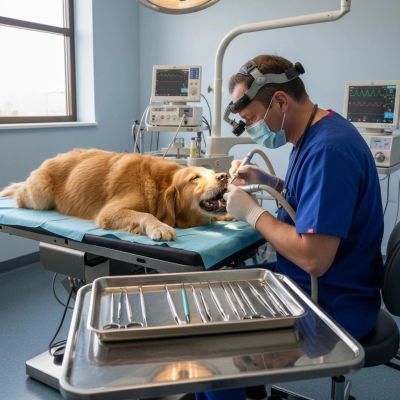
Dog & Cat Dental Care at Companion Animal Clinic
Healthy Mouth, Happy Pet: Comprehensive Veterinary Dentistry
Did you know that by age three, over 80% of dogs and 70% of cats show signs of periodontal (gum) disease?
Bad breath isn’t just a cosmetic nuisance—it is often the first warning sign of underlying infection. Left untreated, dental disease causes chronic pain and can allow bacteria to enter the bloodstream, potentially damaging your pet's heart, kidneys, and liver.
At Companion Animal Clinic, we provide advanced, compassionate oral healthcare to keep your pet smiling, eating comfortably, and living a vibrant life.
Signs of Dental Disease in Pets
Pets are experts at hiding chronic pain. Often, they will continue to eat normally even with advanced dental disease. Watch for these subtle signs at home:
- Persistent bad breath (halitosis)
- Yellow or brown tartar buildup along the gumline
- Red, swollen, or bleeding gums
- Drooling or dropping kibble while eating
- Pawing at the mouth or sudden sensitivity to head rubs
- Loss of interest in hard chew toys
What to Expect: Our 5-Step Dental Safety Protocol
We treat a dental cleaning as a medical procedure, not a cosmetic grooming service. To ensure the highest standards of safety and thoroughness, every Comprehensive Oral Health Assessment and Treatment (COHAT) includes:
1. Pre-Anesthetic Screening
Every patient receives a thorough physical exam and pre-anesthetic blood work tailored to their age and health status. This ensures their internal organs are functioning beautifully and that it is safe to proceed with anesthesia.
2. Tailored Anesthesia & Dedicated Monitoring
For a proper dental evaluation and cleaning, general anesthesia is required. A dedicated, trained veterinary technician monitors your pet’s vital signs—including heart rate, blood pressure, oxygen levels, and temperature—continuously from the moment they fall asleep until they are fully awake.
3. Digital Dental X-Rays
Over 60% of dental disease hides out of sight beneath the gumline. We take full-mouth digital dental X-rays for every patient to evaluate the health of the tooth roots and jawbone, allowing us to catch hidden painful conditions that would otherwise go unnoticed.
4. Advanced Ultrasonic Scaling & Polishing
We use specialized ultrasonic equipment to safely remove plaque and tartar from all sides of the teeth, crucially targeting the space just under the gumline where bacteria thrive. We finish by polishing the enamel to smooth out microscopic grooves, slowing down future plaque accumulation.
5. Pain Management & Guided Recovery
If our team discovers a fractured, diseased, or abscessed tooth that requires extraction, we utilize local nerve blocks (similar to human dentistry) and structured post-operative pain management to ensure your pet wakes up comfortable and pain-free.
Feline Dental Care: A Special Note for Cat Owners
Cats experience unique dental challenges that differ significantly from dogs. In addition to standard gum disease, cats are highly prone to Feline Resorptive Lesions (FORLs).
This painful condition occurs when the body begins to naturally dissolve a tooth from the inside out, exposing sensitive nerves. Because cats mask discomfort incredibly well, a professional oral assessment and digital X-rays are often the only ways to detect these lesions and relieve your cat from chronic, hidden pain.
Frequently Asked Questions
Why can't you clean my pet's teeth without anesthesia?
"Anesthesia-free" dental cleanings are purely cosmetic. While they scrape away visible tartar on the surface, they cannot clean the disease-causing bacteria underneath the gumline, nor do they allow for essential digital X-rays. Furthermore, holding a pet entirely still while sharp instruments are used near their gums is highly stressful and physically unsafe for the animal.
How often should my pet get a dental cleaning?
Most dogs and cats benefit from a professional dental assessment and cleaning once a year. However, individual needs vary based on breed, age, genetics, and home care routines. Toy dog breeds and certain cat breeds may require more frequent care.
What should I do for dental care at home?
Professional cleanings provide a clean slate! To maintain those pearly whites between visits, we recommend daily brushing with pet-safe toothpaste, or using dental chews and water additives that carry the VOHC (Veterinary Oral Health Council) seal of approval.
Schedule Your Pet’s Dental Assessment Today
Ready to give your pet a healthier smile?